On-Site School Kitchens for Small-to-Midsized Schools
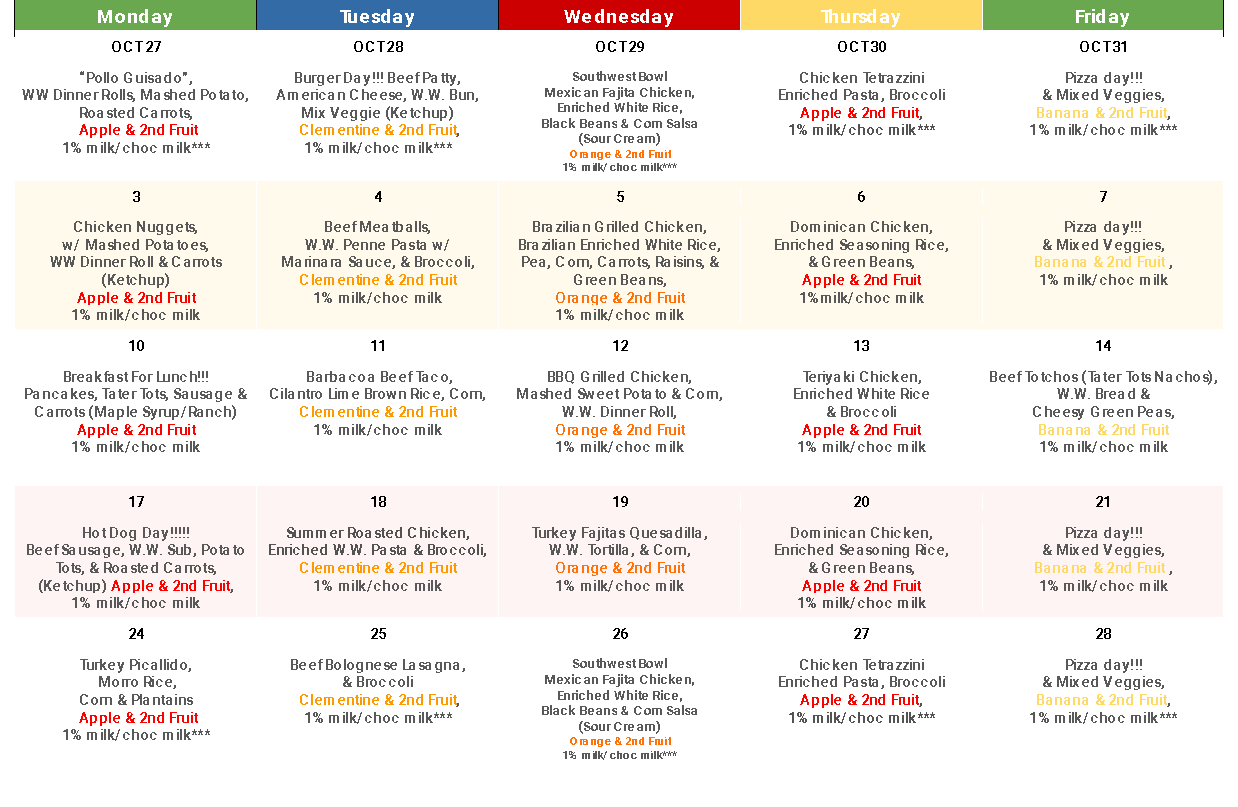
Stock Pot provides a unique experience of good food and loving service, while meeting all the requirements of the FMSC regulation system of DESE and the USDA.

On-Site Kitchens: A Home Away From Home
In a home, the kitchen is the heart of everything.
It’s where meals are made, smells linger, and kids feel cared for and safe.
A school kitchen should feel the same.
It should not feel like an indifferent, quasi-industrial place where children are rushed through for hurried feeding. Instead, it should be a welcoming environment where students take a break from academic pressure, enjoy sensory comfort, and reset mentally.
The Role of the On-Site Food Service Partner
The on-site food service vendor—what regulators call the Food Management Service Company (FMSC)—plays a critical role in shaping that experience.
To truly feel like a “home away from home”:
- Food should resemble what kids eat at home
- Staff should engage students with care and attention
- Children should feel encouraged, supported, and open to trying new foods
By the time a child leaves the cafeteria, they should feel nourished, confident, and ready for what comes next.
This is exactly what the Stock Pot Malden on-site team delivers.
Participation: The True Measure of On-Site Success
Our mission is simple: feed kids good, nutritious food—and make sure they actually eat it. Maximizing participation is both a moral responsibility and a smart business decision.
Why Participation Matters
Industry “average participation” rates are widely accepted as:
We don’t accept these benchmarks.
They reflect the mediocrity of what’s typically offered—not what’s possible.
Our Results
When Stock Pot Malden replaces an existing on-site vendor, we typically see:
Understanding the FMSC Regulatory Model
The economic framework governing Food Management Service Companies—set by the USDA and enforced locally by the Massachusetts Department of Elementary and Secondary Education—is unusually complex and often misaligned with food quality outcomes.
How the RFP Process Works
Every three to five years, schools run a competitive Request for Proposal (RFP) asking vendors to estimate total program costs, including:
COST of food
labor for on-site preparation and service
Administrative overhead
Management Fee (Vendor Profit)
Vendors must budget these components amid major uncertainties—participation levels, future food costs, staffing variables—just to complete Part 1.
The Misaligned Incentive
In Part 2, vendors must also estimate the school’s profit and loss:
- Revenue comes from government meal reimbursements
- Costs come from what the school pays the vendor
The RFP winner is the vendor that guarantees the highest surplus for the school, often regardless of:
- Food quality
- Student satisfaction
- Participation growth
While minimum nutritional standards must be met, quality is defined narrowly by compliance with National School Lunch Program guidelines—far short of encouraging real engagement or enjoyment.
Why We Focus on Small-to-Midsized Schools
Because of these structural realities, Stock Pot Malden intentionally serves small-to-midsized schools—generally between 500 and 2,000 students.
We Don’t Compete on a Race-to-the-Bottom Model
Large districts are dominated by multinational providers like Sodexo, Aramark, and Compass Group—organizations incentivized to prioritize shareholder returns over food quality.
Scale Should Never Replace Connection
We don’t believe in anonymous, industrial kitchens staffed by people disconnected from the kids they serve. Intimacy between staff and students enables:
- Customization
- Trust
- Ongoing dialogue
Beyond a certain size, those benefits disappear.
Local Partners Make Better Food
We actively partner with local caterers and restaurant entrepreneurs embedded in the school’s community. Stock Pot Malden provides:
- Infrastructure
- Training
- Regulatory and legal support
- Financing and operational guidance
Smaller programs allow these partners to grow sustainably while maintaining cultural and culinary alignment with the students they serve.
Continuous Improvement Through Daily Dialogue
Our Executive Chef, Lorena Lorenzet, often says, “Every school is different.” And she’s right. Uniformity may be efficient in theory, but in practice:
- No two schools are alike
- No single menu works everywhere
The Power of the On-Site Model
On-site programs create daily, real-time feedback loops between:
- Kitchen staff
- School nutrition teams
- Students
This constant dialogue fuels:
- Rapid menu adjustments
- Service format improvements
- Higher engagement and satisfaction
In manufacturing, this would be called continuous improvement—sometimes known as kaizen, re-engineering, or Six Sigma. Strangely, this mindset is rare in school food service.
We believe it’s the only way to run an on-site program well.
The On-Site Meals Program Can Support Other Catering Needs
Feeding kids through the USDA-DESE reimbursable program is the backbone of the relationship between vendors and school. But schools with an on-site kitchen often have other catering needs. They may have sports or activity clubs requiring delivering food in smaller quantities to different places at non-standard times. They may have Board of Trustees meetings, or teachers or staff conferences. They may have back-to-school events where parents come to meet their kids’ teachers. They may wish to install vending machines with fresh food for kids after hours.
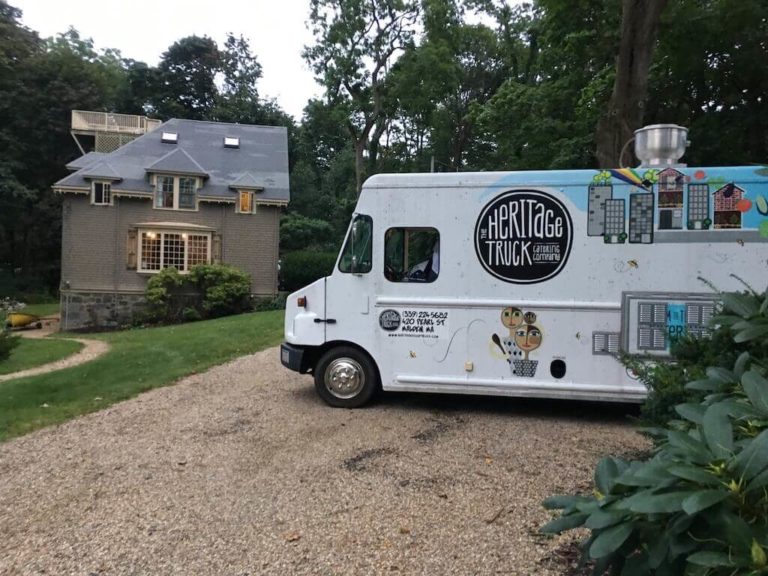
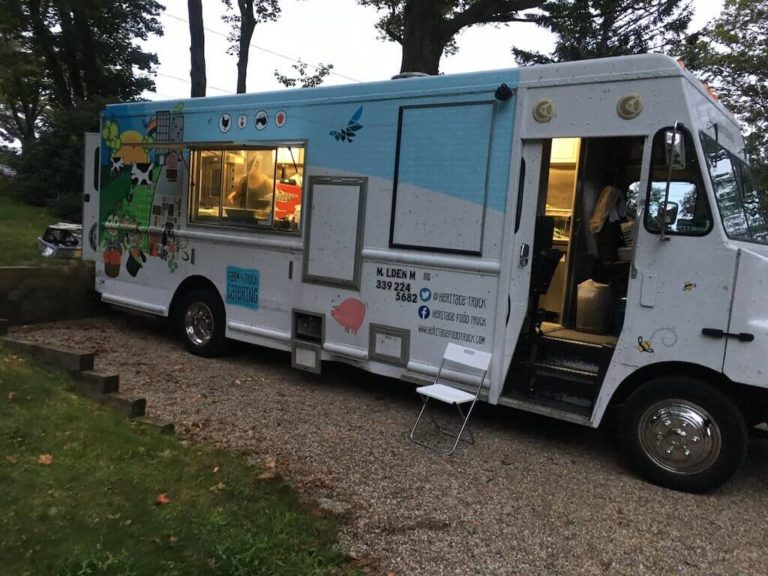
At Stock Pot Malden, we want to support you on all aspects of your catering need. We can provide standard a la carte catering menus if this is your preferred way of working. Our Chef will gladly develop custom menus for specific events you organize. We also operate two food trucks that always create a big splash with students and staff at outdoor events when the weather allows.
Meet Your Support Team
Carlos Cuilty
Customer Service Manager
[email protected]
Grisnelys Peña
Customer Service Representative
[email protected]
Have Questions? We’ve Got Answers.
From SFSP-compliance and pricing to delivery, menus, and daily support, this FAQ covers the most common questions sponsors of on-site programs ask when considering Stock Pot Malden as their meal partner.

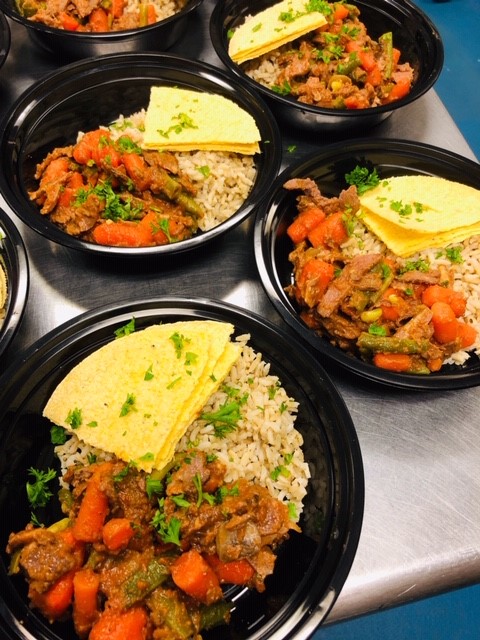

Nutrition You Can Trust
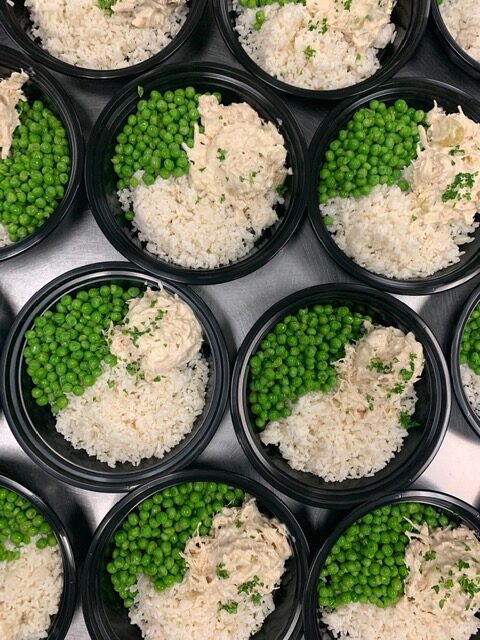
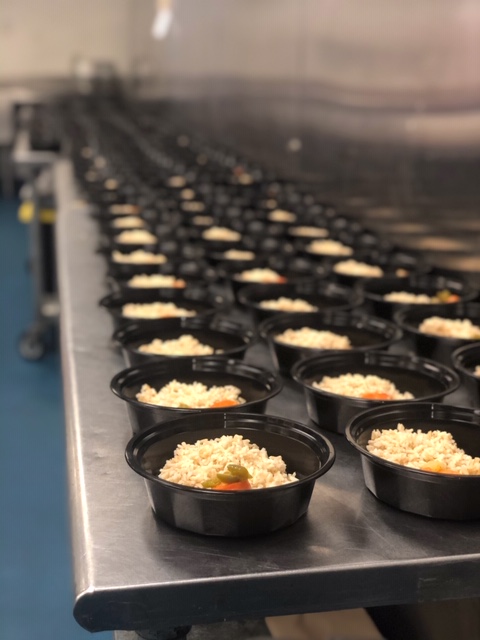
We use the Health-e Pro App to ensure that every meal meets all federal and state nutritional standards—so you always receive accurate portion sizes, calorie counts, and nutrient balances.
We send your center a detailed daily menu that includes:
- A full breakdown of ingredients for each meal
- A complete list of any allergens present
We also provide centers with sample documentation, including:
- Nutritional analysis reports
- Production records
These documents help your center remain fully compliant with USDA/DESE requirements.
Getting to Know Your On-Site Program
We would love to partner with you in developing your on-site program. Fill out the form below to learn more about how Stock Pot Malden can make mealtime easier and healthier for your community.