About Stock Pot Malden
A Mission Built on Co-Creation
Stock Pot Malden was created to prove that large social challenges—like food access, nutrition, and local economic development—are best solved together.
Our model brings together:
Local kitchens
Skilled and aspiring food entrepreneurs
Government-reimbursed meal programs
Community organizations and institutions
By connecting these elements, we improve meal quality and create economic opportunity for under-resourced culinary talent.
Our History
2013-2015
Stock Pot Malden Opens Its Doors
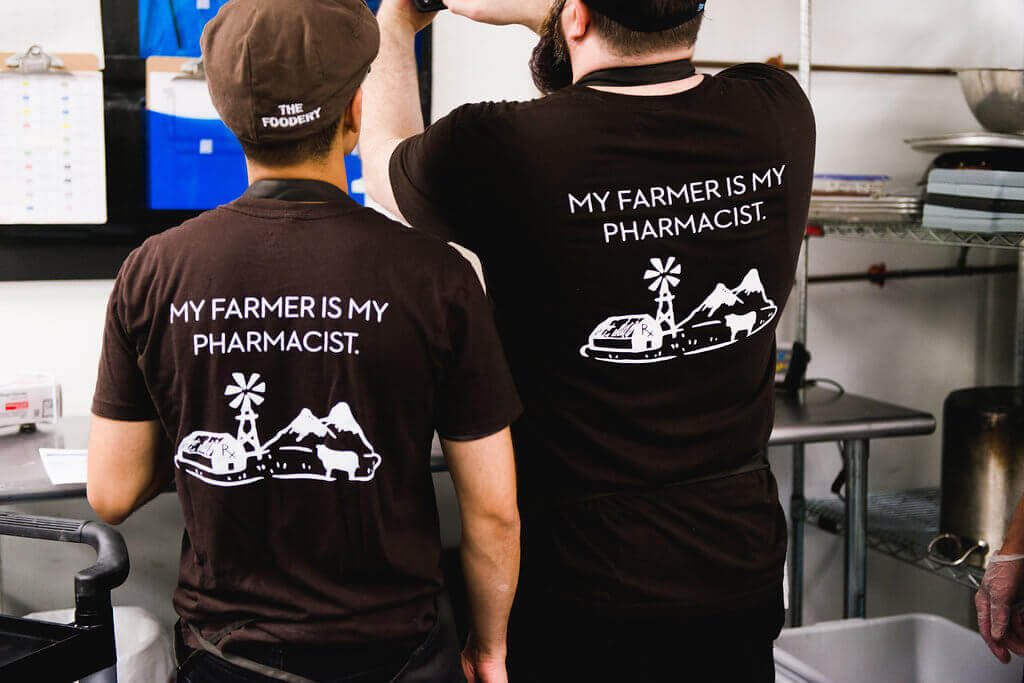
We transformed a former school commissary into a shared kitchen home for Boston’s early food-truck wave—and quickly grew into food product makers, too.
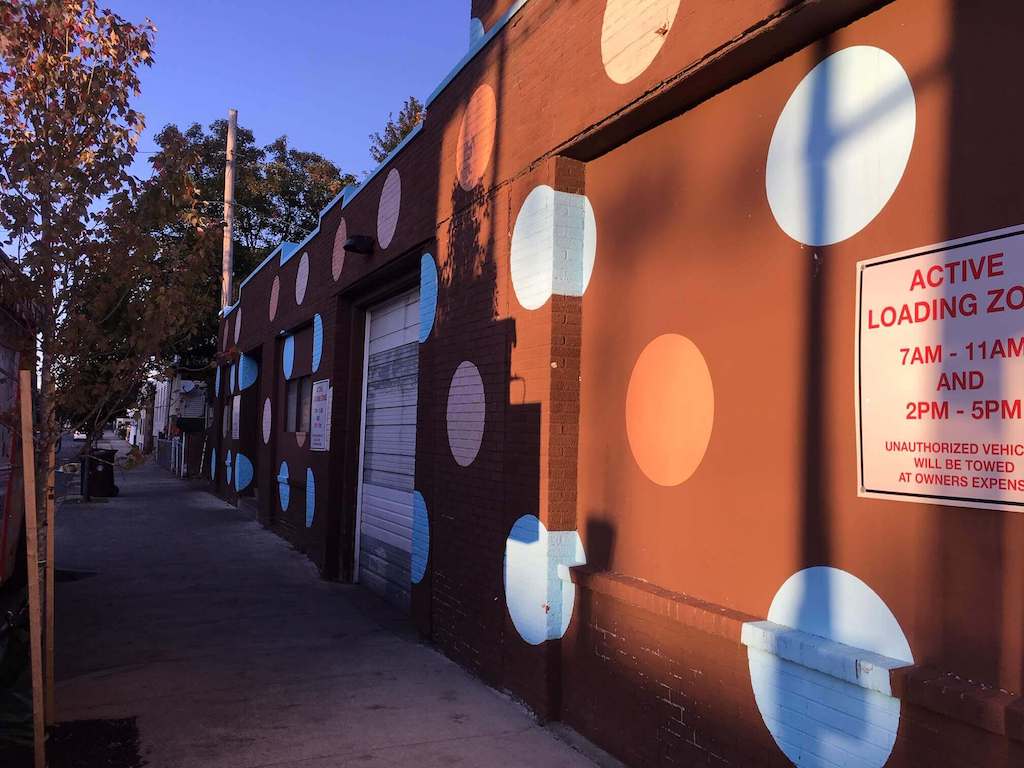
In 2013, we signed our first long-term lease for Stock Pot Malden 1, the 7,500 square feet building located at 342, Pearl Street, that had long served as the commissary for the Malden high school. The building was mostly vacant and in need of significant investment to bring it up to code and put it in a position to house food start-ups. The buildout took place over several months in late 2013 and early 2014.
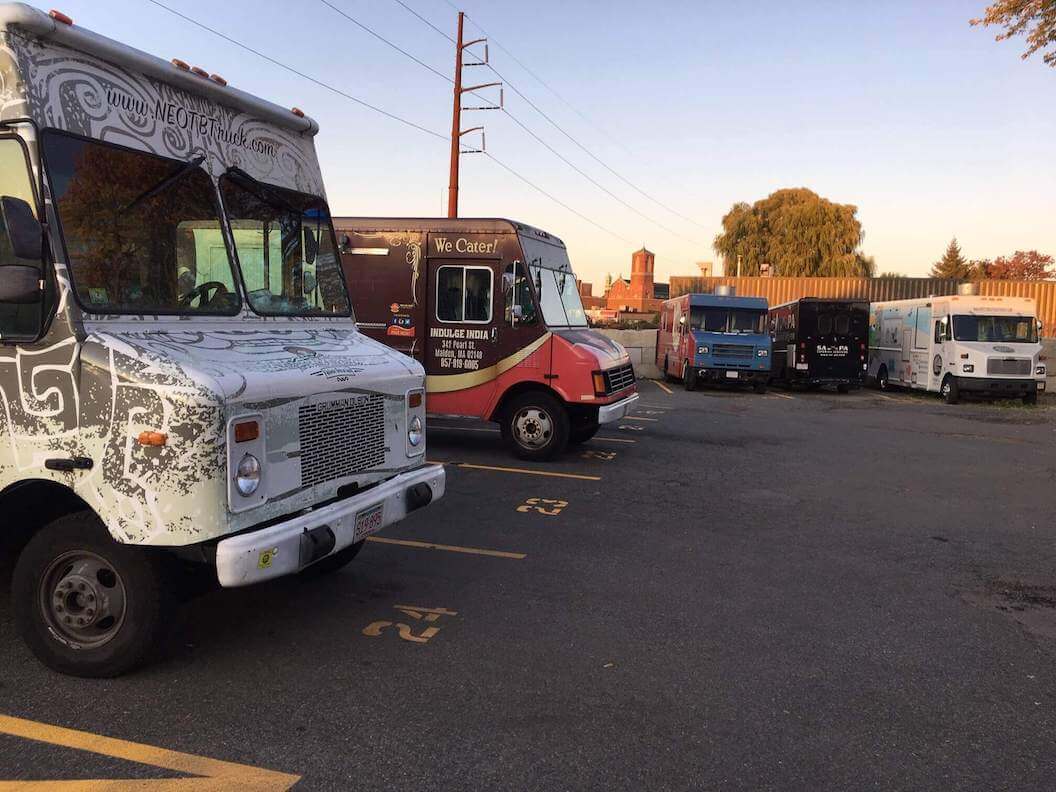
In its first year of operation (2014-2015), Stock Pot Malden 1 was mostly populated by food trucks that were part of the first generation of food trucks serving the city of Boston. The market for food trucks grew considerably since these early days, as there were close to 100 food trucks registered with the city of Boston until the 2020 pandemic.
In 2015, a few food product companies (bakers, ethnic meal caterers, powder drink company) joined the food truck owners and became member-tenants, creating a second pool of companies at Stock Pot. We have since then added bakers, charcuterie companies, barbecue providers, and caterers to our roster of food product companies.
2015-2019
Scaling Up for Meal Companies
As centrally-prepared meal businesses took off, we expanded capacity with new equipment and a grant-funded high-volume production kitchen.
The 2015-2019 period was marked by the emergence of a new type of company: the centrally-prepared meal companies. These companies prepare full meals that get distributed to individual homes, to schools, to institutions and corporations that do not have an on-site kitchen, and to food pods and food vending machines. These companies are typically larger than food trucks or food product companies, grow faster, and often have access to venture capital.
In 2015, as centrally-prepared meal companies were becoming increasingly important in the mix of Stock Pot residents, we realized we needed to dedicate some space to their higher-volume needs and invest in some new equipment for them. We applied for a buildout grant from the Mass Development Collaborative Workspace program and were given a $100,000 matching grant that allowed us to convert a little used room into a high-volume production kitchen dedicated to larger centrally-prepared meal companies. This allowed us to reach a new growth plateau.
Two new factors drove the growth of Stock Pot Malden in the 2017-2020 period.
The advent of corporate food brokers played an important role in our growth during that period by giving our Stock Pot food entrepreneurs access to the corporate market of greater Boston, something that was not accessible to them until then. Corporate food brokers such as Hungry and EZCater build professional relationships with companies and institutions, helping them source high-quality, original meals from our member residents, while allowing their corporate clients to make those meals a part of their retention and human resources policy. These corporate brokers allow our members to focus on what they do best, i.e., make food, as brokers handle some or all other tasks such as selling, invoicing, delivering or on-site serving. They also guarantee a certain level of revenues and minimize waste for the food companies by ordering an exact number of meals ahead of time.
A second driver of Stock Pot’s growth during that period was the “ghost kitchen” phenomenon. Restaurants were finding it increasingly difficult to pay Boston downtown prices per square foot to maintain both the kitchen and the retail area that constitute the traditional restaurant. This created demand for locations (“ghost kitchens”) where food is prepared off-premises, and either home-delivered or made available in small take-out places with only minimal or no kitchen. While the focus of Stock Pot Malden is not to act as outsourced kitchen for established restaurants, we continue to see a new generation of entrepreneurs eager to follow the ghost kitchen model, which also feeds our growth.
2019
A Second Kitchen, Just Up the Street
After hitting full capacity, we opened Stock Pot Malden 2 to support larger member companies ready to outgrow the original space.
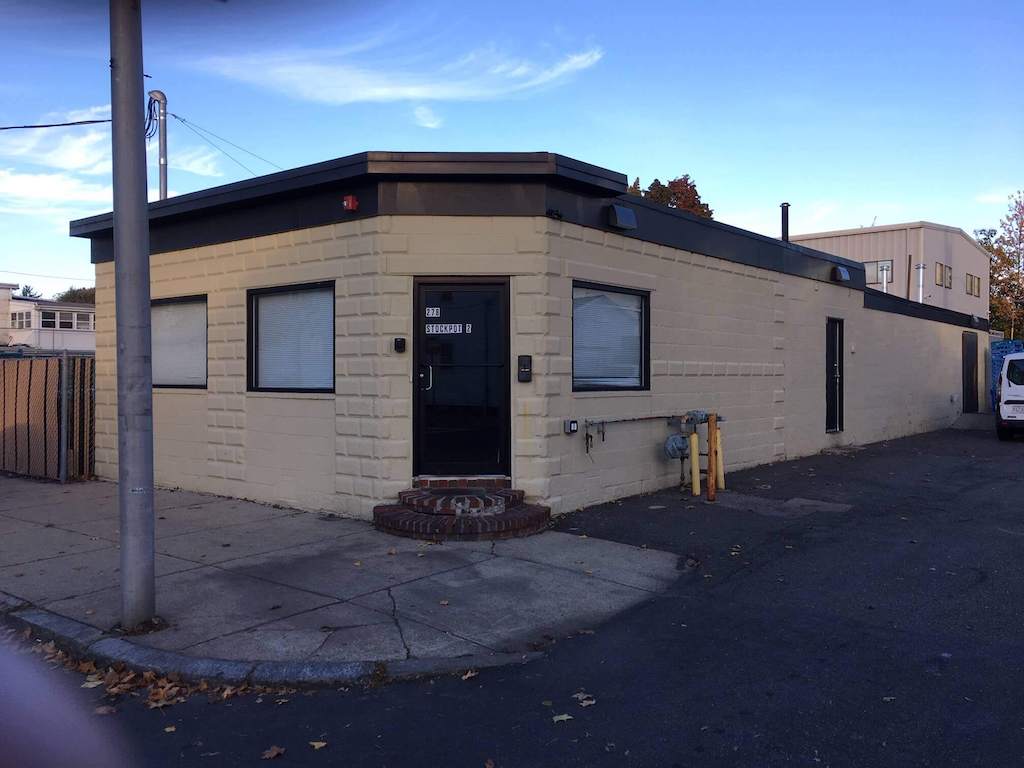
In 2019, after operating at full capacity at Stock Pot Malden 1 for close to two years, we secured a second lease for an existing commissary situated at 278 Pearl Street in Malden, just up the street from our original location. The investment in the buildout of this second facility was made possible by a $108,000 grant from Mass Development’s Collaborative Workspace program, for which we are very thankful.
This second location was outfitted to house some of the larger member companies we had at Stock Pot 1 that were beginning to outgrow us.
From Kitchens to Community Impact
We deepened our mission by launching Heritage Food Truck Catering—connecting local food entrepreneurship with farmers, health, and culturally diverse meals.
From the beginning, one of our goals for Stock Pot Malden had been to utilize our food platform to build links with local agriculture (upstream), and with local health providers (downstream). We believe we are at a stage where the community of food start-ups present at Stock Pot Malden can play a transformative role in helping local farmers grow their sales and in convincing local healthcare providers to recognize the key role that good, locally sourced and locally produced food can play in improving local population health.
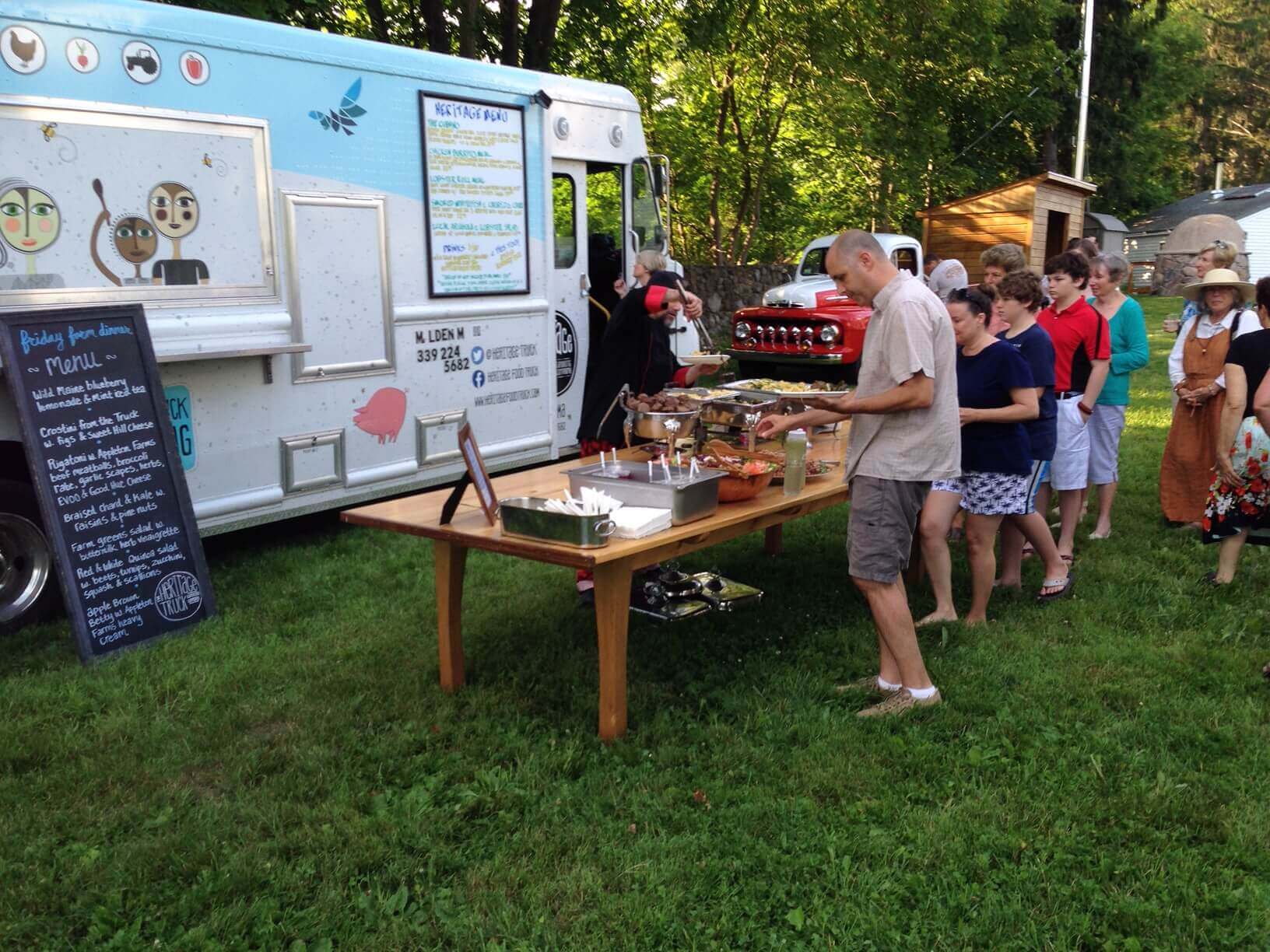
To that effect, Co-Creation Ventures, mother company of Stock Pot Malden, launched in late 2019 a new shared platform business called Heritage Food Truck Catering that promotes locally sourced meals and products that represent the diversity of ethnic cuisines representative of Eastern Massachusetts, while providing health benefits to the people who consume them (see heritagefoodtruck.com).
2020-2021
Pandemic Pivot: Feeding Millions
When markets disappeared overnight, we partnered with entrepreneurs to rapidly scale—and delivered 3 million meals to Massachusetts communities.
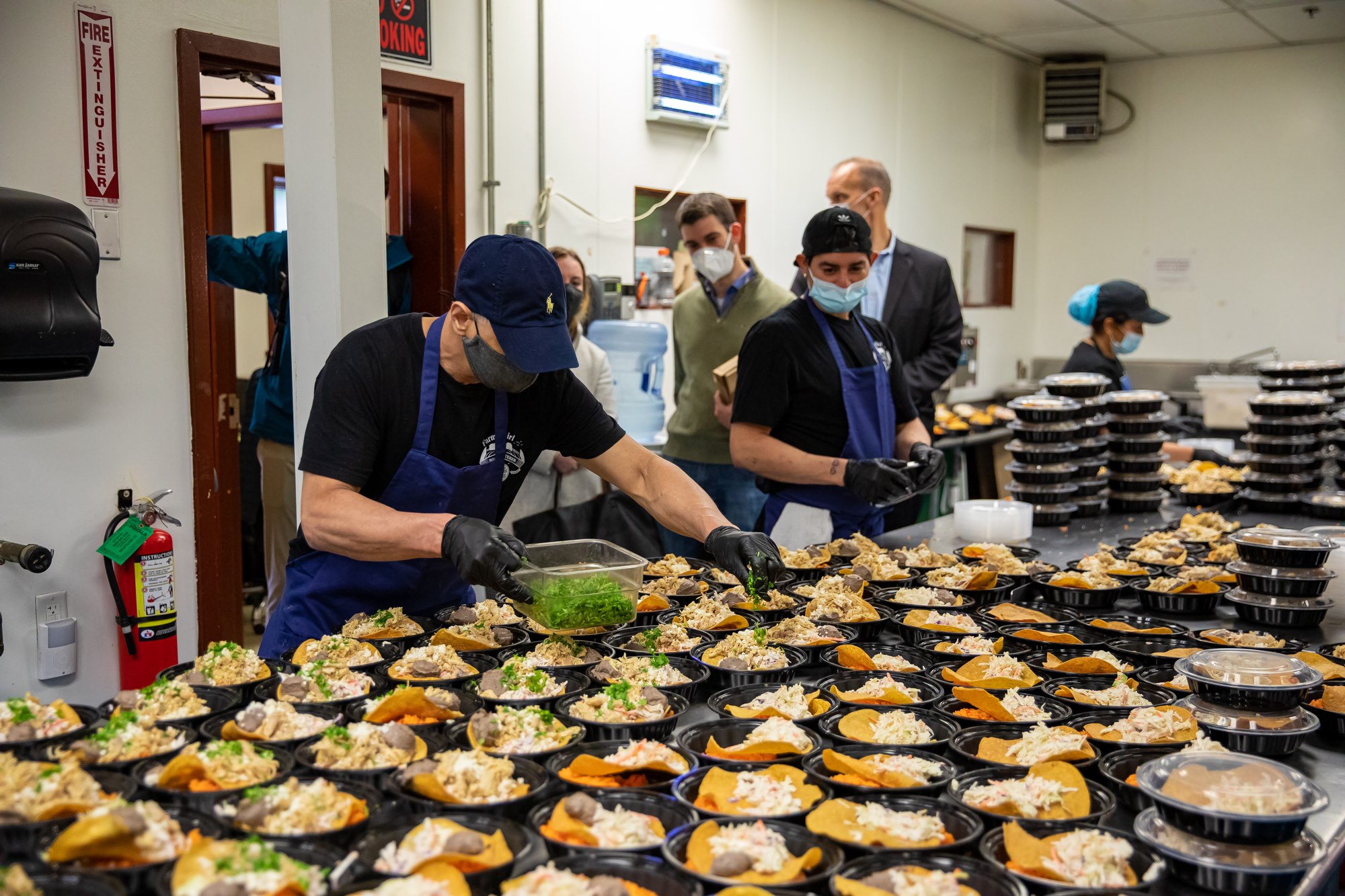
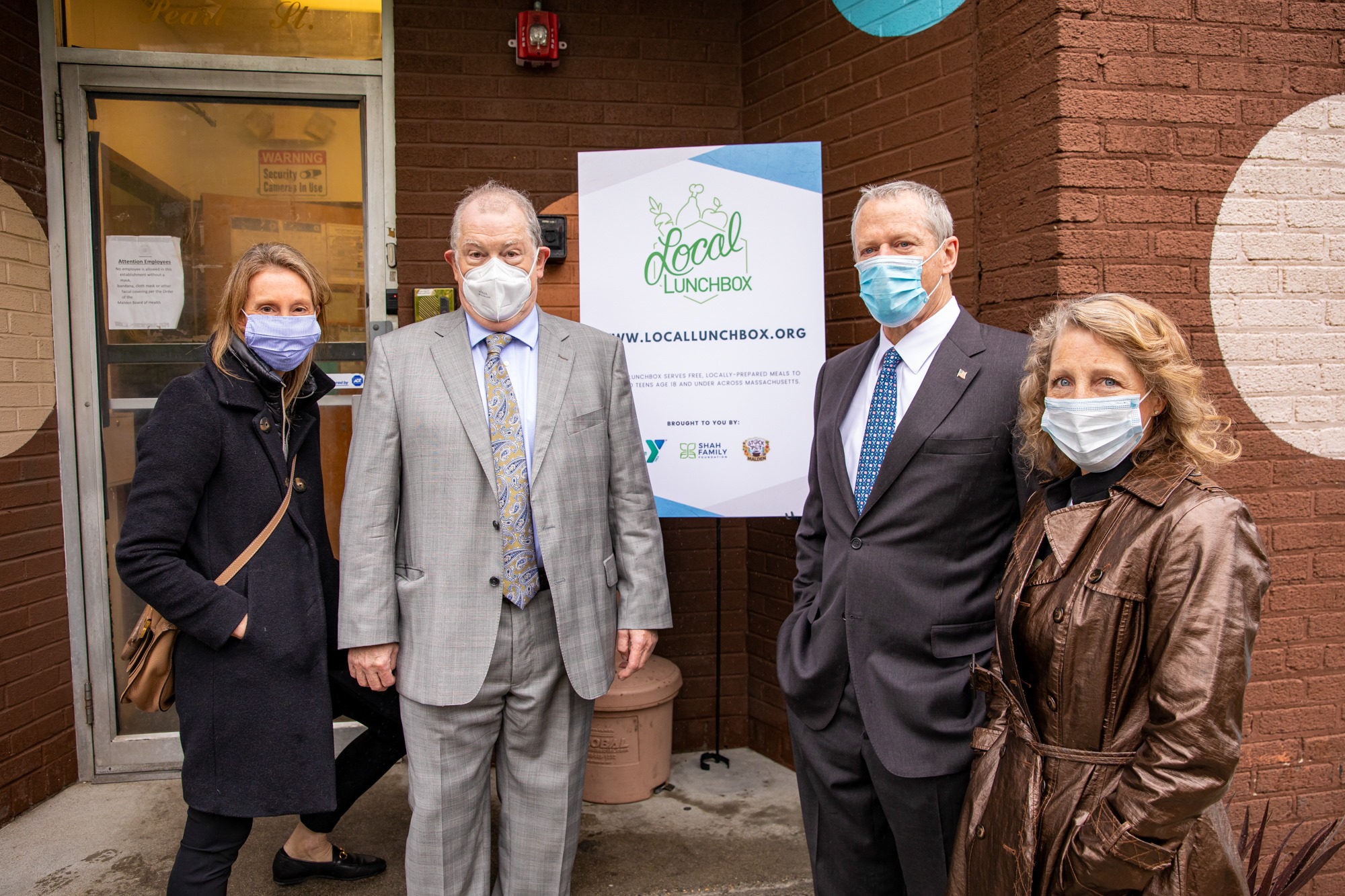
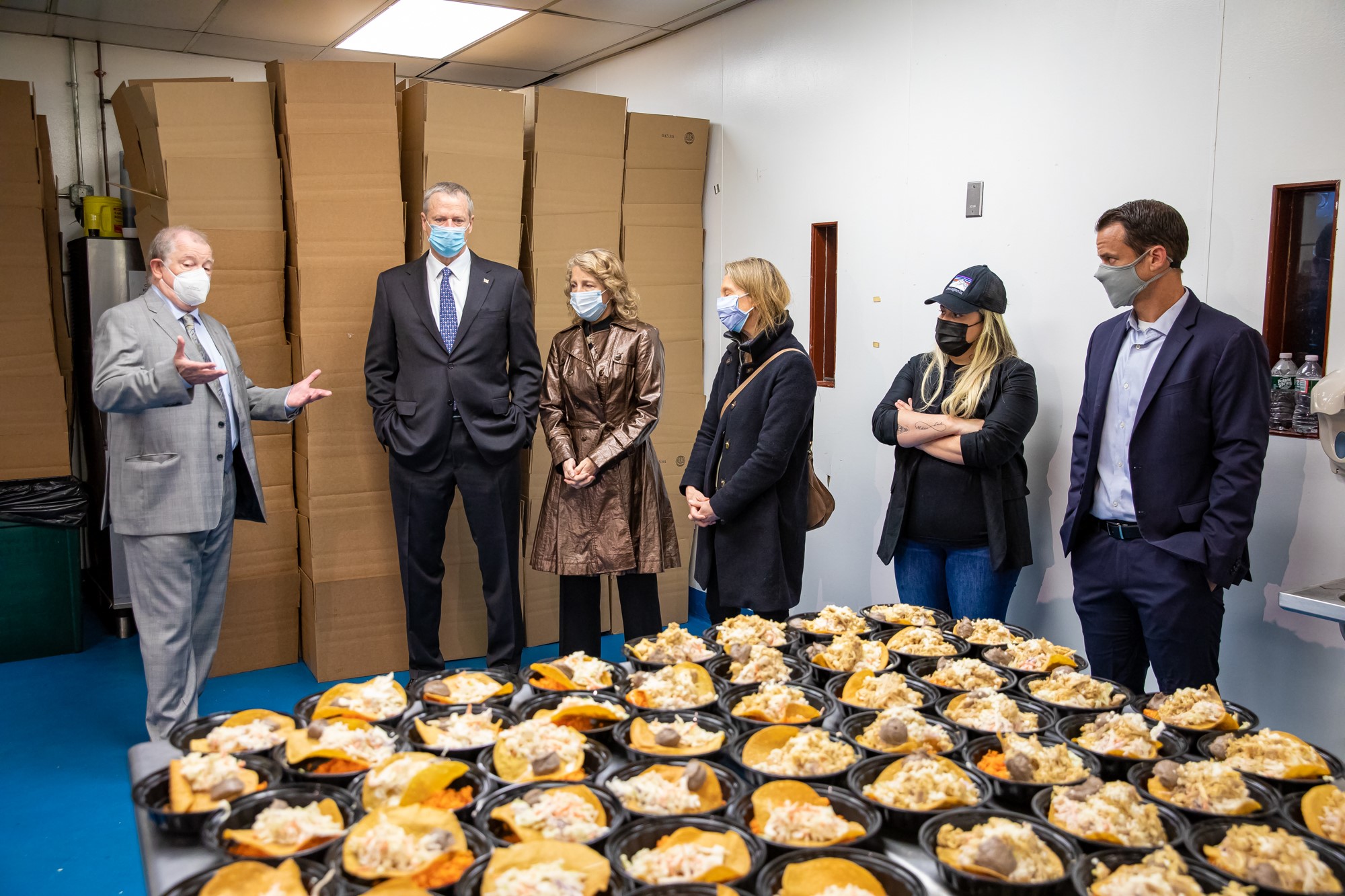
In March 2020, most of our resident entrepreneurs lost their market because of the pandemic, leaving our two shared kitchens empty. We were approached, initially by the city of Chelsea, to provide meals for kids since the city schools’ cafeterias were shut down, and a bit later by the Shah Foundation and (the now departed) Governor Baker to extend our meals service to other gateway cities in Massachusetts. We eventually served Lowell, Lawrence, New Bedford, Fall River, Wareham, Brockton, and Taunton. We made 3 million vended meals during the pandemic between July 2020 and August 2022, at which point the regulatory waiver expired and schools reopened their cafeteria services.
The model we developed out of necessity during the pandemic is largely what remains our operating model today. Stock Pot Malden did not have at the time the know-how or the staff required to make the huge numbers of meals needed for school kids , so we proposed a shared profit partnership model to our idled member-tenants, suggesting that if they were willing to undertake the production side of those meals, we would learn how to meet the complex regulatory and reporting requirements involved and provide the kitchens, the financing and the institutional credibility required.
All but one of our member-tenants within our Malden shared kitchen were intimidated by the magnitude of the task, the low price of the meals and the heavily regulated nature of the proposed new business. However, the Farm Girl food truck, run by young Brazilian chef and owner Lorena Lorenzet, volunteered to be that partner. “I did do a very large event for my church once”, Lorena volunteered in semi-reassuring fashion. Together, we learned how to rapidly scale production by building production systems, developing supplier relationships and on-boarding and training staff quickly.
We also developed two strong partnerships with local food entrepreneurs and restaurants, leading to partnerships that exist to this day with:
- El Pez Dorado (the Golden Fish), a Dominican restaurant in Lawrence, run by Yaniry Espinal,
- Freakin' Puerto Rican Fusion Food, run by Puerto Rican entrepreneur Edwin Rivera.
2021-2024
Winning in a Post-Pandemic World
We adapted to fully regulated, RFP-driven school food contracts—building long-term partnerships and expanding into new community kitchens.
In September 2021, the special regulatory environment that has existed during the pandemic abruptly stopped and the school kids’ market returned to its heavily regulated model, marking the return to cafeteria-served school lunches served by traditional — and often mediocre– school food providers. Contracts signed by schools with vendors are typically 3-5 years long and are managed through periodic requests for proposals (RFP).
In order to transition from the less regulated pandemic environment to the fully regulated, RFP-driven process, Stock Pot Malden and its partners had to learn how to play the new game. Because the pandemic meals we have served for the previous two years had received excellent reviews, we were fortunate enough to attract interest from several charter schools and senior centers who entrusted us with serving their residents for the fall of 2021 and beyond, building the foundation for what is now our dominant business.
In 2024, Stock Pot Malden and its partner Freakin' Puerto Ricans Fusion Food run by food entrepreneur Edwin Rivera, started operating the Millers River kitchen of the Cambridge Housing Authority (CHA). This kitchen serves the residents of four buildings of the CHA, and prepares meals for local schools, childcare centers, senior centers and shelters.
A second kitchen of the CHA at LBJ apartments will start operating in 2026.
What Makes Our Model Different
Fresh, Local, and Reliable
Meals are prepared in small, local kitchens—allowing for faster response times, higher quality control, and menus that reflect the communities we serve.
Designed for Public Programs
We specialize in meals that meet federal and state reimbursement standards (including USDA-DESE and EOEA requirements), making high-quality food financially accessible for schools, childcare centers, and senior programs.
Entrepreneur-Powered
Instead of centralizing everything in one massive facility, we invest in people. We train, support, and partner with food entrepreneurs so they can operate successful meal programs while building independent businesses.
Vendor Scorecard Pyramid
Our belief is that vendors providing prepared meals should be evaluated on their ability to provide ten benefits, arrayed in four levels of ascending performance, as illustrated in the pyramid above. Put together, these ten variables constitute the scorecard through which vendors should be judged by schools, childcare centers and senior organizations they serve. At Stock Pot Malden, we measure ourselves against those ten variables.
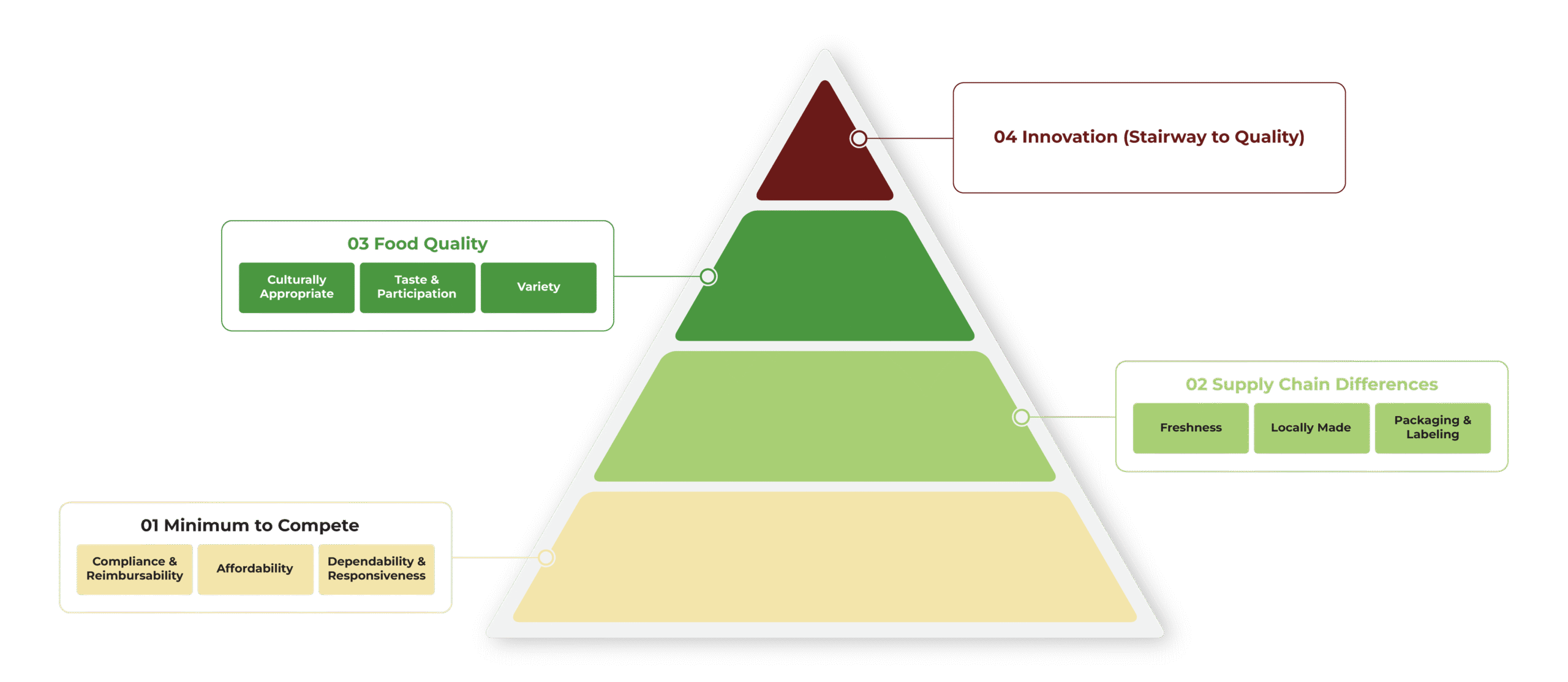
The first level of the pyramid represents the “table stakes” or minimum a vendor has to offer to participate in the market. This minimum level is all that is demanded by the regulator and it is the core of most RFPs put out by schools and senior organizations. As a result of the limited scope of those RFPs, this is also where many vendors live, content to meet the base requirements without any further consideration of food quality or service. The co-dependency between a narrow-minded, but intimidating regulator and a dominant set of traditional incumbents is largely responsible for the mediocrity of most school and senior meals.
Compliance & Reimbursability
Compliance is the bare minimum required.
To be compliant with regulation and therefore eligible for reimbursement by the government, school meals need to meet certain nutrition characteristics set by the USDA and its Massachusetts agent DESE in terms of proteins, grain, vegetables, fruit and dairy. Schools also need to abide by sugar, salt, fats and calories limits.
Stock Pot Malden serves the full alphabet soup of government-reimbursed school programs: National School Lunch program (NSLP), National School Breakfast program (NSBP), Summer Food Service Program (SFSP), Child and Adult Care Food program (CACFP). Our senior meals also comply with the nutrition standards of the Executive Office of Elder Affairs (EOEA) and we are equipped to produce all the therapeutic meals required by senior food regulation (cardio-vascular, renal, chopped/soft, etc.).
While not officially mandated by regulation, foodservice vendors, in practice, need to buy or subscribe to a nutrition software service approved by the USDA in order to verify compliance of their meals with the complex requirements of the various regulations. Stock Pot Malden utilizes a software called HealthePro that captures and publishes the monthly menus we design, tracks all ingredients’ labels and recipes used in those menus, and calculates the credited amount yielded by each meal against the protein, grain, vegetables, fruit and dairy requirements by day and by week. (Bizarrely, requirements by week are not equal to the sum of daily requirements). It also produces a report tracking meals consumed vs. meals produced. At inspection time, the nutrition software produces a package that saves a lot of work for the inspector (often putting her in a less vindictive mood), as well as for the school, senior organization or childcare center, … and for us.
While nutrition is the heart of compliance and reimbursement eligibility, there are other compliance requirements that the school is most directly responsible for, but where the vendor can play a supportive role, as we try to do. These include how the number of meals is tracked at the Point of Sale, signage, training of school or senior organization personnel, and other issues.
Affordability
Schools, senior organizations and childcare centers all operate under heavy financial constraints and want to pay as little as possible for their meals. The best way to minimize the out-of-pocket price paid is of course to be reimbursed by the government if the institution is eligible, which brings us back to the compliance discussion in the previous section. But not all schools, childcare centers or senior centers qualify, as is the case for example for parochial schools, and some institutions, while eligible, elect not to seek reimbursement because they feel the bureaucracy imposed by the regulator is overwhelming, or because they want to offer better meals than what can be prepared under the low reimbursement price.
Even when the meals served by the institution are reimbursable, the price paid by institutions to the vendor is different from the USDA reimbursement price. For institutions with large populations, Stock Pot Malden tries to charge very close to the USDA reimbursement price, or at least what we guess will be the soon-to-be-announced reimbursement price since the school year’s reimbursement price is usually announced several months after the contract has been awarded to us. As a result, the meals are very close to free to the institutions, except for the cost of their serving staff.
For smaller clients, Stock Pot Malden has to charge a higher price than the reimbursement rate because of the inherently higher cost of producing in smaller quantities and in having to create routes with multiple truck stops, often in congested city areas. The differential between the price we charge and the USDA reimbursement price is typically small (10-15% on average), such that it does not deter the smaller schools, senior centers or childcare centers from signing up for the reimbursable food program.
We are often the lowest bidder, or among the lowest bidders. This arises from the fact that we can compensate for the higher cost resulting from our better quality, more expensive ingredients (we invest about 45% of our sales price in our ingredients vs. about 33% or below for most of our competitors), by paying less for transportation because of the proximity of our kitchens and because our investors expect a modest 5-6% return on sales vs. the more “capitalistic” expectations of our competitors, particularly when owned by global foreign companies or US private equity players.
Dependability & Responsiveness
Dependability requires being able to provide the basic service required day-in, day-out. Responsiveness means going beyond that and being able to respond effectively to the incidents that will unavoidably occur in the life of the relationship between vendor and client.
Dependability requires that the delivery truck of the vendor be able to show up on-time, with the right number and mix of meals, with the meals at the appropriate temperature. It also requires that the documentation for the meals be accurate and that the invoices be correct. It also does not hurt if the driver is polite and accommodating of the specific environment of the school, childcare center or senior center.
Dependability also has a longer-term side: institutions want to know that their supplier will be around for many years to come. Many contracts are renewable for up to four or five years and institutions hope that the quality of food and service will warrant staying with their vendor for the duration. Some RFPs ask for financial statements reviewed by third-party accountants. Other RFPs reward vendors long in existence by granting them more points than newcomers in the computation of each vendor’s score. (Note that while well intentioned, this explicit reward of seniority discourages any new entrant in the market thereby perpetuating the oligopoly of traditional incumbents and preventing innovation.)
Responsiveness to incidents goes beyond dependability.
Incidents will occur in spite of everybody’s best efforts. Foodservice or nutrition managers at our clients will make some mistakes in ordering, e.g., forget to order, or order the wrong meals. Our trucks will get stuck in traffic on rainy days or if there has been an accident, and may run late. Trucks suffer from mechanical incidents. Delivery people do occasionally forget to pack something (inaccurate number of meals, missing utensils) or the institution may have forgotten to notify us of the need for sack lunches because of a last-minute field trip. You may have an unexpected surge in the number of kids or seniors showing up on a given day and you need more food than what was ordered. Or you may be unexpectedly short of serving staff and need some reinforcement.
The real test of good service is the ability of your foodservice vendor to respond in those emergency, unforeseeable situations. Do you get a “I am sorry, our driver has moved on and our kitchen is too far from you to be of any help”, or is your vendor able to bail you (or itself) out of trouble by sending somebody to bring what you need such that you still meet the lunch serving deadline. There again, proximity plays an important role, as does the willingness of the vendor to incur some additional cost and operational disruption to respond to the situation without first trying to exculpate itself from the incident. At Stock Pot, we believe solving the problem is the number one priority and we will do everything humanly possible to do so, irrespective of who created the problem in the first place.
DESE inspections are another area where the responsiveness of foodservice vendors are put to the test. Inspections are a moment of great stress for foodservice and nutrition managers inside schools, childcare centers and senior organizations. Inspectors can be intimidating and nitpicky, threatening you with disallowing a significant amount of reimbursement and making you quite nervous about the financial consequences of what they report as violations. A significant proportion of potential violations can originate with the menus and food being delivered by your vendor, so receiving strong support from your vendor at the time of inspection is of paramount importance. At Stock Pot, we come on-site for all inspections and have a team able to respond to any questions that arise, supply additional documentation, or even argue the case with the inspector. Because we keep excellent documentation through the use of our sophisticated nutrition software, we are able to protect you from most disallowances. Also if they occur and we are deemed responsible for the problem, we pay for whatever cost was incurred by the institution through non-reimbursement.
The second level offers the possibility of differentiation by creating a better supply chain. With this second level, we are now beyond what the regulator demands and only a small number of suppliers compete on that basis. This differentiation comes from what ingredients the vendor buys, where its kitchens are located and how its meals are packaged and labeled.
Freshness
Freshness is defined three elements:
- The quality of ingredients used (fresh vs. frozen ingredients, quality grade of what is bought)
- How far in advance the meals have been prepared before being served to kids or seniors
- Format of the meals at the time of delivery (delivered hot, chilled to be reheated, in hotel dishpans vs. unitized).
Quality of ingredients
At Stock Pot Malden, we spend more on ingredients (45% of sales price on average) than most of our competitors (we estimate they spend about 33% of their sales price on average). This allows us to use fresh ingredients for the vast majority of our recipes, rather than frozen ingredients favored by our competitors. The freshness of our ingredients plays a key role in the quality of our meals. We do use some frozen ingredients on occasion, particularly in the wintertime when fresh vegetables are either unavailable from domestic sources (the USDA essentially prohibits the use of imported products), or outrageously expensive because of their limited supply.
How far in advance are meals prepared
Our unitized, chilled-to-be-reheated meals for schools are the most common format chosen. They are typically prepared the day before delivery (with some possible prepping the day before that, e.g., chopping of vegetables, or cutting up of cold meat). The meals are destined to be reheated in the schools before being served. Many schools like to receive their chilled meals one day before serving them, which gives them the peace of mind to know at the end of the previous day that everything is ready in their walk-in for the next day). As a result, most meals have a relatively short two-day cycle time between cooking and consumption. Since Monday meals are delivered on Fridays, our menus are designed around items that will not age over the weekend. A few schools like to receive hotel dishpans rather than unitized meals and utilize their staff to portion it for their students.
Senior organizations generally like to receive unitized hot meals just-in-time for delivery. There again, we typically prepare those meals the day before delivery, heat or reheat them, deliver them in cambros at the various locations shortly before eating time, and being consumed shortly thereafter. In some cases, senior centers prefer receiving their meals in hotel dishpans and have their staff serve their seniors individually.
Meals for childcare centers and afterschool programs are typically prepared on the day of delivery and dropped off hot in time for lunch, sometimes accompanied by cold breakfasts for the next day.
Format of the meals at the time of delivery
As a general rule, the more one preps and cooks on-site, the greater the freshness of the meal. Because of our commitment to improving the quality of meals for kids and seniors, we always encourage our clients, if their facilities and staff circumstances allow, to move:
- from unitized reheated meals,
- to serving food family style in hotel dishpans,
- to doing some finishing of the meals on-site, if they have a kitchen,
- to cooking their meals from scratch on-site.
Particularly since Covid, many schools or senior centers shut down their kitchens and now rely on unitized vended meals from third parties such as Stock Pot Malden for convenience. Being one of the Massachusetts leaders in unitized vended meals, we have benefitted handsomely from this trend and take great pride in making the quality of these unitized meals as high as possible.
There are however some limitations to unitized reheated meals than can be overcome by serving meals family style in hotel dishpans. This is why we encourage kids or senior organizations to consider this option. The family style format reduces the cost and environmental impact of plastic packages. The oven heating of meals in a hotel dishpan is also better distributed, producing greater culinary integrity of the dish and generating a better flavor. Presentation is also more appealing when the meal is portioned at the school counter rather than presented under a foggy film. The downside of the family style format is that it requires for the school or senior center to pay for the staff that portions the food (although the cost of the institution personnel should be offset by the lower cost of the meal supplied by the vendor who no longer has to plate the meals in their kitchen). In some cases, Stock Pot Malden will also provide the personnel to do the on-site portioning.
For the same quality reason, we encourage our clients to consider doing some finishing of meals on the premises, or if in possession of a full kitchen, to convert to full on-site cooking. There again, this can be done by utilizing staff at the school, childcare center or senior organization, or by utilizing some of Stock Pot Malden’s staff.
Locally Made
When applied to food, the term “local” often connotes of “farm-to-table”, or “made from local farm produce”. This is not what we mean here. We mean “local kitchens”. The quality of the food your kids or seniors will receive is a function of how close the kitchen is to the place where it will be eaten. Food that travels for many miles and gets dropped off after multiple drop-offs before reaching you is by definition less likely to have kept its original flavor, to have its presentation remain good if moved around frequently in the truck, or even to still meet the required temperature.
This is one of the reasons why Stock Pot Malden, because we rely outside greater Boston on smaller, more proximate kitchens, offers better food and service than its competitors.
And by the way, we do use a significant amount of ingredients from local farms, local aggregators (few local farmers are equipped to deliver to our kitchens in the quantities required), or even local food product manufacturers . We use a lot of local milk (Garelick), local apples, locally-made bread (Piantedosi), and local greenhouse-developed vegetables. Unfortunately, the height of the Massachusetts fruit and vegetable season falls during the school summer vacation, which limits their use, but our seniors do benefit from local vegetables and fruit at that time.
Packaging & Labeling
Meals come in a variety of forms and the packaging and labeling through which they are being offered matters, first to the foodservice or nutrition manager at the institution, and to the kids or seniors that eventually eat them. There again, vendors vary a lot in terms of their practices.
- Unitized vended meals typically come in a plastic container and film lid format and are most often delivered chilled for subsequent reheating (the so-called “Oliver packaging”). There can be tricky issues about the adherence of the film to the container that produce leaks downstream, so we pay close attention to those issues. Meals also have to be labeled carefully, since kids and seniors need to receive the menu item they ordered, and particularly so if they require a ‘special meal” because of allergies. We make sure that our labels all contain the name of the dish, the date of production and the allergens it contains.
- For family style service, meals are usually delivered in hotel dishpans, either hot or cold for heating or reheating. Each hotel dishpan is labeled carefully.
- Fruit, milk and some breakfasts items are often delivered in bulk and assembled locally or offered as “grab and go”.
- For catering of special events at schools, childcare centers or senior organizations, we also offer other packages such as cardboard boxes, or plastic container with solid plastic tops (“restaurant doggie bags”). We can also provide buffet service with our on-site staff.
In all those cases, we make sure that our meals are safely packaged and labeled, making them traceable in case any problem were to arise.
The third level is the domain of food quality. Yes, kids and senior food should be judged on their quality. This is the performance level to which even fewer schools and senior organizations aspire and at which only a very small number of vendors operate. This is for schools and senior organizations longing to escape the mediocrity of most kids’ and senior meals and replace it with good food that matches the cultural heritage of their population.
Culturally Appropriate
We take great pride in trying to match the meals we serve with the cultural heritage of the populations that eat them. This is particularly important for school kids and children’s center kids who have a disproportionately large percentage of kids coming from other food traditions than the typical white American food. (The non-American born percent of senior population is smaller and often remains a bit more attached to traditional “white food”).
We always pay great attention to the demograhics of the populations we serve. In cities with a dominant ethnic group (e.g., Haitian kids or Latino kids), our chef composes a menu reflecting the dominant gastronomical tradition of that population. In some cases, the eating population represents itself a rainbow of traditions, so our menu creates a rotation of meals such that all kids see themselves represented in that menu, but they are also exposed to “the other kids’ food tradition”. In all cases, we also offer a safe and popular alternative they can pick as a fallback.
Taste & Participation
When asked to evaluate a restaurant, taste is inevitably the dominant criterion. It has always felt strange to us that taste is the forgotten dimension in assessing a school or senior program’s vendor. Many RFP processes do not even include a tasting and if they do, most vendors cheat by putting their best food forward on that day, then go back to delivering their mediocre meals if they get the contract.
At Stock Pot, we think taste should be the most important decision factor in choosing a vendor. The main reason for that is that kids or seniors should enjoy the food because food is one of the pleasures of life. The fact that it needs to be cheap is not an excuse for serving mediocre food, particularly to kids for whom this may be the sole meal of the day. And as importantly, there should be some accountability for whether kids eat the food or not. At Stock Pot Malden, we track student participation in the food program (average number of kids showing up for the food divided by average daily attendance) and we focus on increasing that number. We are usually able to increase participation by 15-20% in the first year of service.
When schools are equipped to track the amount of waste, we also work with your staff to minimize waste, i.e., the amount of meals that get ordered, but not eaten. Finally, we try to identify through anecdotal observations and conversations what gets discarded inside each meal.
Variety
The variety of meals is also important. We all get tired of always eating the same things, begging the question of what is the frequency of menu changes. At Stock Pot Malden, our chef puts out a new menu every three months, trying to take advantage of the seasons and the availability of produce in each season (sometimes local produce, sometimes not, given the short season of New England). Within the base menu of each three-months period, our chef introduces a second-order variety:
- Inside the three months period, our chef modifies the menu as a function of the feedback received during the first month. Some dishes prove to be hits, while others fall short, and modifications are made accordingly.
- Our chef also changes a lot of individual recipes or combinations of dishes to avoid the perception of repetitiveness with each three-months period. For example, she uses seven different recipes for mash potatoes, each with a significantly different flavor and texture. She uses ten different spice combinations for rice. We use twelve different chicken recipes.
The fourth level involves innovation, something that is dramatically lacking today in the industry. No relationship between a vendor and its clients should ever be static. The world of food is a constantly changing one, with new developments in regulation, supply chain and food technologies, or taste. These changes can and should drive a constant redefinition of the relationship between vendor and client.
Co-Creating Better Programs
Perhaps surprisingly to some, the world of meals for kids or seniors can be amazingly complex, which offers a lot of opportunities to co-innovate between vendor and client. There is a “stairway to heaven” of food quality and service that requires thinking creatively about what can be achieved within the institution’s facilities (typically after some modest transformation) and with your vendor. As a general rule, the more the food can be prepared on the premises, the higher the quality of the food will be. We want to help you climb that “stairway to heaven” of quality, which requires a collaboration between client and vendor that few institutions and few vendors are willing to engage in. This is why this third level of the food pyramid is thinly populated, with many institutions, vendors and regulators happy to operate through stale RFPs where price is the dominant factor.
The USDA regulatory framework establishes a “black and white” distinction between “vended meal companies” and “Food Management Service Companies” (FSMC), but we believe it would be better to view these two types of foodservice as extreme points of the “stairway to heaven” of quality that can be climbed over time. The stairway features many intermediate steps that can be developed by the foodservice vendor and its institution client. Because of this belief, Stock Pot Malden offers both the vended meals solutions and Food Management Service Company service to its clients.
Here is how we think of the food “stairway to heaven”.
- Unitized vended meals are the most frequent solution picked by schools and senior organizations that do not have a kitchen or on-site staff able to produce the food on the premises. They require having retherms on the premises. They have the advantage of not requiring a lot of additional work for your serving staff beyond reheating the meals. We believe we offer the best quality of such vended meals, but there are ways to devise more ambitious solutions that we will coach you toward.
- Meals served family style and delivered by your vendor in hotel dishpans represent the first level of improvement you can provide beyond unitized vended meals. Your food will have more flavor and cooking integrity than if plated individually, and you will save the cost of the plastic packaging. It will however require more work from your staff to portion the meals and they will have to learn to scoop the food according to USDA-DESE regulation (we can also supply you with the staff required).
- Meals that are a mix of commissary-prepared food by your vendor and locally finished food. Food preparation is not an all or nothing proposition. Some prep work is most effectively done at scale in a central kitchen, something your vendor is best equipped to handle, and other work is best done on the premises. If we take the simple example of a salad, a lot of the sourcing, receiving, washing and cutting is best done in a central commissary by your vendor, but the assembly of these components, whether served as a fully mixed salad prepared by your on-site staff, or arranged in a salad bar presentation, is best done locally. The same hybrid solution also exists for many other dishes than salad. It does require a careful evaluation of what the institution’s facility and staff can handle and the definition of a menu that accommodates each situation.
- All meals prepared on-site. Ultimately, the best food will be produced 100% on-site. Many large schools (in particular public schools), a handful of children’s centers and a few senior centers have their own kitchens and cafeterias. This is however not an achievable solution for many institutions because they have neither the kitchen facilities, nor the staff to operate in this mode.
Get Meals for Organization
We would love to support your meal program, reach out and someone from our team will be in contact soon.